Journaling for Trauma Recovery
February 11, 2026
Join us in directly supporting survivors of sexual harm, domestic violence, and child abuse by giving a gift today. We depend on your generous contributions for our continued success. Every little bit helps ❤️
We depend on your generous contributions for our continued success. Every little bit helps ❤️


Language Barriers in Survivor Support: When No One Can Read Your Story
Volunteer
Give today
Language Barriers in Survivor Support: When No One Can Read Your Story
Volunteer
Give today
Language Barriers in Survivor Support: When No One Can Read Your Story
Press & Media
Give today
Made with in Raleigh, NC, USA
© Our Wave 2026. All rights reserved.
February 11, 2026
Show resources for
 Equatorial Guinea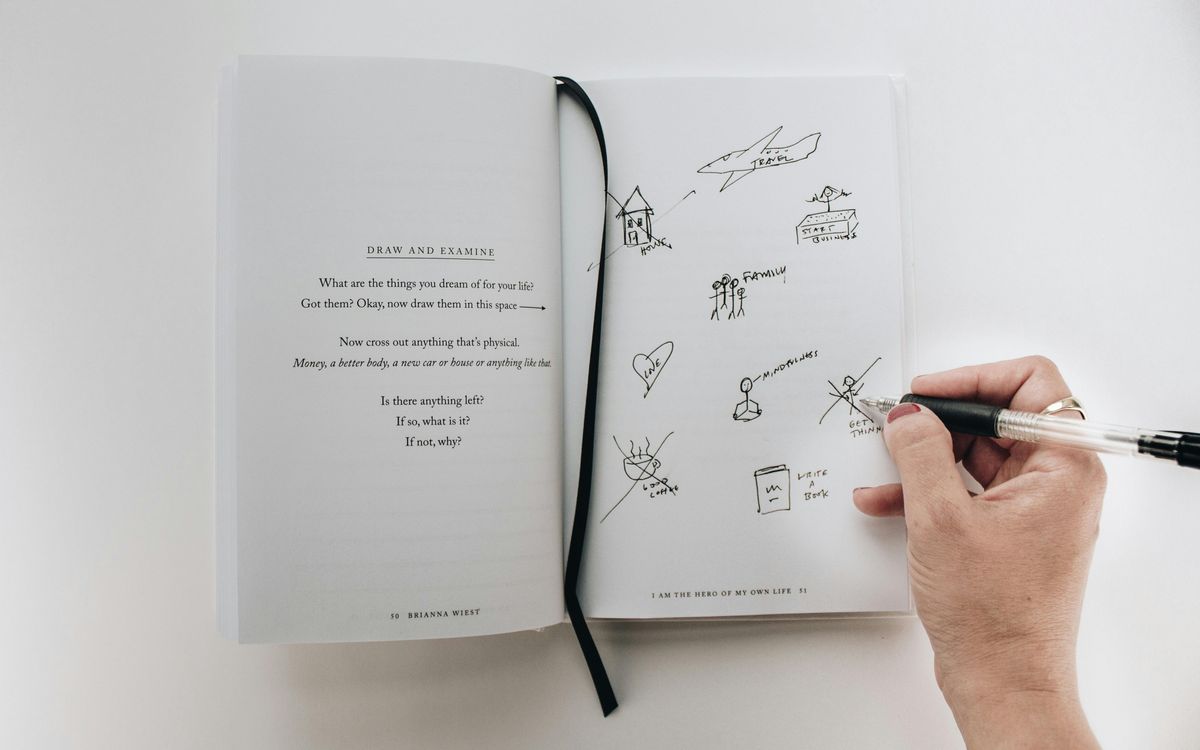
Acquiring coping skills to help you deal with the emotional pain from sexual harm is an essential part of recovery. Having a social support system in the aftermath of sexual assault can make a world of difference.
However, this support system may not always be available. Part of your healing journey will be about finding inner strength, tolerating distress, regaining independence, and balancing that independence with healthy interdependence in your relationships. Journaling is a great way to tap into all of these aspects of coping.
Some may wonder how something that seems so simple could be impactful enough to add to their list of coping skills. Journaling offers so many benefits, such as:
Provides structure and routine in the midst of chaos: From the moment you are able to safely leave the traumatic situation to years into therapy, there are going to be extremely challenging situations. Recovery from trauma is an ongoing process and survivors need tools to manage the chaos that comes with it all. Journaling on a regular basis helps establish a routine that can provide a sense of safety through predictability.
Can be used in conjunction with other coping skills: Journaling can help us become more involved in other coping areas as well. It can be used to keep track of progress in support groups or time outside in nature or taking walks. It can help you reflect on positive experiences, and plan for future challenging situations.
Helps to strengthen existing social relationships: Journaling can help you organize your thoughts and emotions before sharing them with others. When loved ones are supporting survivors it can be helpful for them to better understand the thoughts and emotions of the person they’re supporting. It can also be helpful for them if the person they’re supporting can articulate their needs clearly. Journaling can help survivors express themselves to their support system in a way that opens up channels of good communication.
Creates a space where you can fully be your unfiltered and authentic self: When we have conversations with others there’s a certain amount of filtering we do. We are careful of our tones and non-verbal cues, we try to figure out what will be considerate to the needs of the other person, and we consider time and place when deciding what to share. This is different from journaling. You can express yourself fully in a journal, as long as you have a private place to keep it. Some journaling apps even allow you to delete journal entries as soon as you write them to maintain privacy.
Fosters a sense of autonomy: When creating journal entries, you choose what to put on the paper or in the virtual document. You choose how to put it in your journal and the overall reason to journal. This is all in your control, even when it seems like nothing else is.
Facilitates processing and learning about the self: This is especially helpful when supplementing therapy.* You can learn many things about yourself when you journal. You’re able to write your thoughts and feelings down, think more deeply and reflect on them. The process can go in cycles that eventually create growth. You can use what you learned about yourself in your journaling to share and discuss in therapy. Additionally, you can write about what you learned in therapy and reflect on what was discussed.
*Journaling is not a replacement for clinical therapy! However, one does not have to go to therapy to do any type of journaling. Just keep in mind that these two recovery strategies have distinct roles.
The restorative justice movement emphasizes values that make healing-centered remedies truly impactful. Journaling is one such practice that can support this process. Here are a few different types of journaling:
Thought diary journaling: This is a traditional journaling method where writers often put a date, write a brief description of the day, and how certain events made them feel. Some may even choose to focus on selecting their mood for the day.
Guided journaling and tracking: This type of journaling is more structured and intricate. Those who do this type of journaling will keep track of specific measurements such as water intake, hours of sleep, daily mood, and simple daily prompts (like “3 things I’m grateful for today are…”). Apps like How We Feel give users space to select and describe the circumstances around their emotions, and even suggest coping skills tailored to that mood. For those more interested in getting away from apps, consider these daily journaling worksheets to use.
Prompt journaling: This type of journaling asks writers questions or provides prompts to reflect on. Unlike guided journaling and tracking, these prompts often vary. You can find journal prompts in books, on specific websites or blogs, or even on social media (like this one from our very own Our Wave instagram account).
Letter-writing journaling: This type of journaling allows survivors to express their thoughts and feelings to people they cannot directly communicate with. This could be to someone you had to stop contacting for your own health or safety, someone you’re in conflict with, a loved one who is not available, or even a higher power of some sort. Letters can be written to someone who has passed or also to a fictional character who brings comfort.
Narrative therapy journaling: This type of journaling allows survivors to write about their experience in ways that help reframe and reclaim their story. Survivors can shape narratives that feel more empowering by exploring events through a lens of strength and resilience. Survivors and loved ones can also share their story within the Our Wave community.
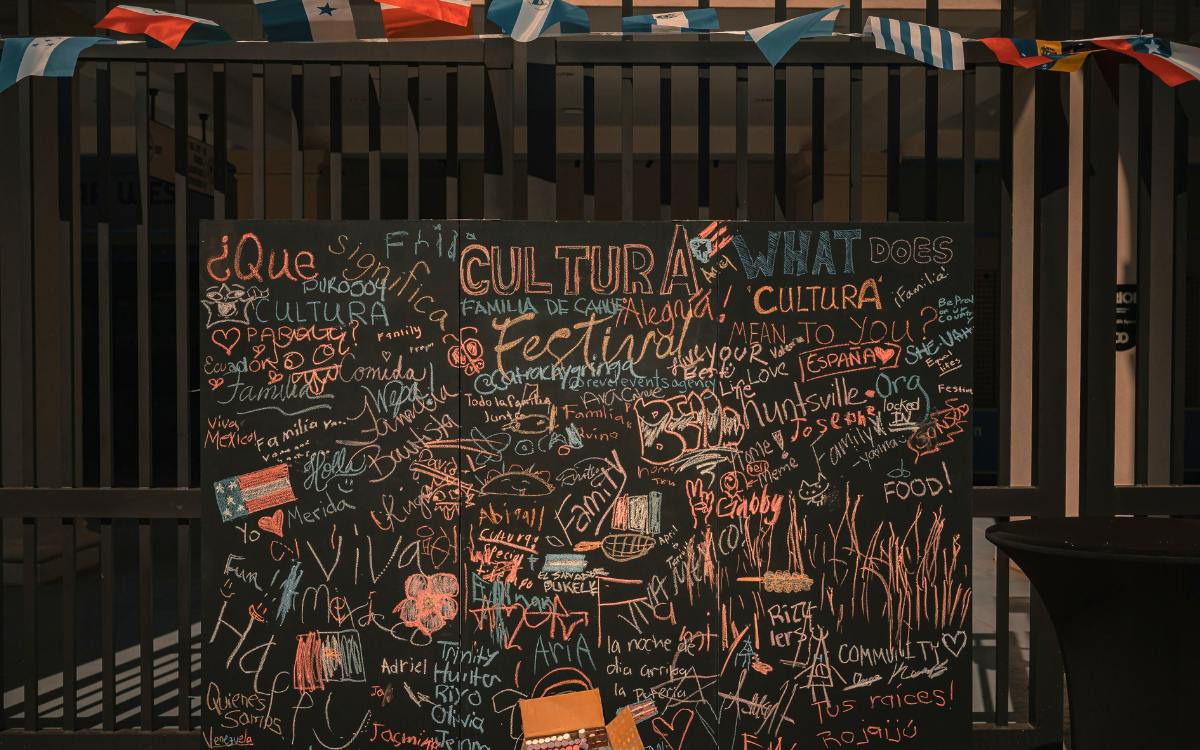
Art journaling: This type of journaling allows a survivor to document their healing journey in a way that is more visual. It might include collages and vision boards, sketches and doodles, collections of paintings, junk journaling, or other artistic modalities. This may be a good form of journaling if you’re someone who struggles to find the words to express your emotions.
Neurographic art: This approach is a specific type of art journaling that helps individuals get in touch with their emotions using short prompts at the beginning and end of creating their neurographic art piece.
Integrating a new ritual or habit into a routine can be complicated for some. For others, journaling can seem daunting and expensive. Here are some tips for getting started:
Take notice of your daily routine: Figure out what time of day may be good for journaling. Consider the advantages and disadvantages. When do you find yourself having a pause in your day?
Couple your journaling habit with another habit: Consider journaling before or after you do another habit. This could be as soon as you get home from work, after dinner, before brushing your teeth, when putting on pajamas for bed, etc.
Start small: Don’t force yourself to engage in the habit, especially when the traumatic experience was recent and you are still processing it. You may want to journal only once or twice a week and start with just short entries.
Consider some low cost ways of getting your journaling started: There are many ways to recycle and journal on a budget. Consider using paper bags to create journals, gathering pens from places that may give away “swag,” such as community wellness fairs or pride events, or refurbishing old notebooks by removing irrelevant pages and redecorating the cover.
Inform your support system: Friends and family can be a great source for reminding and encouraging you to keep your journal. If you ask them, they could help you stay accountable to keep journaling in your routine.
Keeping a journal is not going to be for everyone. Some people may keep a journal consistently and some people may only turn to journaling when things get challenging. Some people may keep multiple journals and some may keep one simple journal just to stay on track. Some people may try journaling and find it to be more stressful than helpful, possibly even triggering, in which case survivors should trust their instincts.
Journaling is all about documenting your personal journey and creating a space for your healing. Happy writing!
Our Wave depends on your generous contributions for our continued success. Give today and support us as we work to support survivors of sexual harm, domestic violence, and child abuse.
Read stories Give todayUpdates, events, and ways to help out. Directly to your inbox.
Equatorial GuineaOur Wave is a 501(c)(3) nonprofit organization and an anonymous service. For additional resources, visit the Our Wave Resources Hub. If this is an emergency, please contact your local emergency service.







Join the survivors, advocates, and allies making change happen. Updates, events, and ways to help — right to your inbox.