




Sexual Violence in Conflict Zones
June 23, 2026
Made with in Raleigh, NC, USA
© Our Wave 2026. All rights reserved.
Show resources for
 Peru
PeruJune 23, 2026
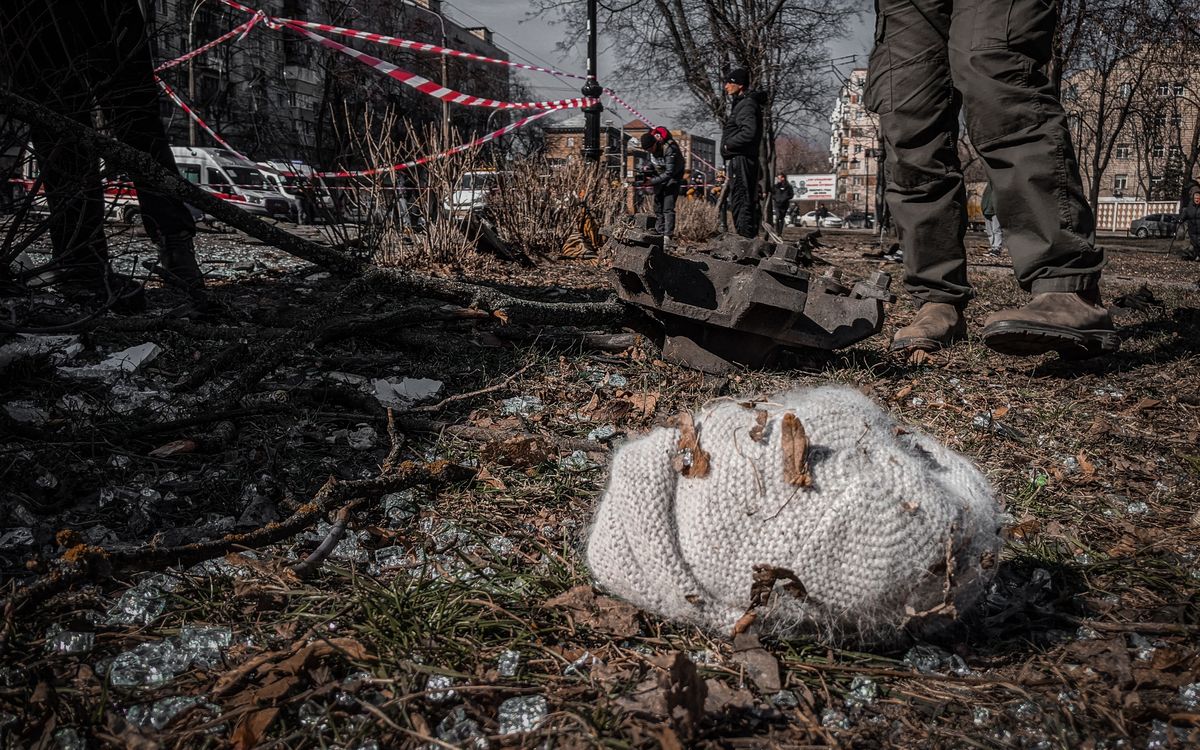
“Sexual violence is a threat to every individual's right to a life of dignity, and to humanity's collective peace and security.” - António Guterres, United Nations Secretary-General, New York, 19 March 2017
Sexual violence wears many names, shapes, and social contexts. Some forms are defined by who commits the harm, some by how it is carried out, and others by where it takes place. Conflict-related sexual violence (CRSV) belongs to that last category. It is sexual violence that takes places within or is directly connected to conflict zones and war.
Conflict-related sexual violence refers to rape, sexual slavery, forced prostitution, forced pregnancy, forced abortion, enforced sterilization, forced marriage, and any other form of sexual violence perpetrated against people of any age that is directly or indirectly linked to a conflict.
This type of sexual violence is one that occurs frequently and deliberately with the purpose of targeting civilians in areas of conflict. The United Nations defined it as “motivated by political, military or economic objectives to control territory or resources… also used as a tactic of violent extremism and terrorism.”
The United Nations provides a historical and legally recognized example of CRSV with the systematic rape camps established during the Bosnian War (1992-1995). During this conflict, “the town of Foča in Bosnia and Herzegovina became notorious for detention centers where Bosnian Serb military and paramilitary forces systematically raped, tortured, and enslaved Bosniak (Muslim) women.”
The UN Security Council established the International Criminal Tribunal for the former Yugoslavia (ICTY) in response to the horrific acts of this war. There was a legal case that ended with the prosecution of Duško Tadić, a Bosnian Serb political leader from the town of Kozarac, who was the first person tried by the ICTY.
In May 1997, the ICTY found Tadić guilty of crimes against humanity and war crimes for his role in persecuting Bosniak civilians, which included the acts of sexual violence. This case marked the first time an international war crimes tribunal admitted survival testimony about sexual violence as parts of its evidentiary record. This helped to support future efforts, especially legal and political ones, for preventing and ending conflict-related sexual violence.
As seen with most types of sexual violence, conflict-related sexual violence inflicts long-term trauma and feelings of humiliation amongst the survivors who experienced it. It can cause fractures in families and the social fabric of a targeted society, triggering displacement and fueling “armed actors’ activities” (e.g., rebels, insurgents, militias, and other organizations).
This is why it is so commonly used against the civilian population during times of conflict, as it causes multifaceted effects that can ripple across individual survivors, to their families, and to entire societies. It is a horrible injustice to a person and a cruel act to carry out for the sake of “strategy” and “battle tactic.”
Below are just some of the many effects that survivors of conflict-related sexual violence face.
These are due to survivors often experiencing blunt force trauma, genital mutilation and other severe external and internal injuries. Sexual and reproductive health are major aspects of this category, as there is a high risk of survivors contracting sexually transmitted infections (STIs) and diseases (STDs), including HIV/AIDS. Unwanted pregnancies, forced abortions, and sterility frequently occur, as well. Survivors who carry these pregnancies to term may face complicated health issues and lack access to maternal care.
Mental health effects are extremely common as survivors frequently suffer from post-traumatic stress disorder (PTSD), severe depression, and chronic anxiety. Many have flashbacks, memory loss, chronic pain, and in severe causes, suicidal thoughts as forms of enduring trauma. There may be feelings of shame, humiliation, anger, sadness, or even numbness as survivors process their experiences.
Unlike survivors of other war-related violence, CRSV survivors often face severe societal shaming and victim-blaming. Stigma can cause survivors to be cut off from essential community networks and face conflicts in their marriage, destroying their social support systems that are so important for processing and healing from trauma.
Economic hardship that comes from the rejection of survivors by their communities and the loss of employment capabilities, pushing them into poverty. There is also intergenerational repercussions, where children born from rape are referred to as “children of war” and face generational marginalization and rejection. This further exacerbates the economic and social struggles of the family.
Unfortunately, sexual and gender-based violence in conflict zones was once considered an “inevitable by-product of war, random acts of a few renegades, or mere collateral damage,” (Desair & Sidhu, 2017). Thankfully, in the last few decades there have been major steps taken to recognize sexual violence in conflict zones as a distinctly immoral and criminal act.
In 1993, the UN Security Council explicitly included rape as a crime against humanity. Then in 1998, rape and sexual violence became an act of genocide, with the Rome Statute later solidifying the Rome Statute as the first global treaty to explicitly recognized rape, sexual slavery, forced pregnancy, and enforced sterilization as distinct war crimes. Finally, in 2008, the United Nations Security Council adopted Resolution 1820, formally recognizing widespread or systematic sexual violence in conflict as a weapon of war and a threat to international peace and security.
Legal recognition is crucial for survivors of sexual violence to have their experience transformed from an ignored “side effect” of war into a punishable act, recognized even as an international crime. This legitimizes survivor trauma in a way where those who suffered can actually receive refugee protection, specialized medical care, access to justice, and right to compensation for medical, psychological, and financial support.
It also triggers greater global action, creating a “call to action” that forces governments to fund specialized medical care and protection programs. This shifts the trauma from something that survivors are forced to heal from on their own to something far more supported. These are the things that every survivor of sexual violence, no matter where or when it took place, should be receiving.
The international community, including the United Nations and other human rights organizations, have been working to prevent and respond to conflict-related sexual violence and ensure that survivors can access care and support through different multi-layered strategies.
Ending impunity and ensuring justice: Prevent blanket amnesty for perpetrators of sexual violence in peace negotiations and ceasefire agreements, enhancing the ability of local and international justice institutions to investigate and prosecute CRSV as a war crime, crime against humanity, or act of genocide. Apply targeted sanctions against perpetrators and hold military commanders and armed group leaders legally accountable for the actions of their subordinates.
Providing protection and using early warning systems: Monitor and map trends for high-risk areas for Women Protection Advisors (WPAs) to be deployed to and inform other response and preventive action. Ensure that there are patrolling patterns where armed escorts from peacekeeping and security forces are used to protect vulnerable populations performing daily tasks like gathering food and water.
Creating survivor-centered support and reparations: Provide comprehensive, trauma-informed services including medical care, sexual and reproductive healthcare, and long-term psychosocial support, as well as create programs to offer compensation, rehabilitation, and legal recognition to civilian survivors of war, including the children born of wartime rape.
Raising awareness and promoting greater advocacy: This is done through media messages, events, and campaigns, raising society’s awareness of CRSV.
Many of these efforts may seem too far-advanced for the average individual to participate in, but there are still many ways that we can help stop conflict-related sexual violence. The Georgetown Institute for Women, Peace and Safety Security describes several methods:
Support survivor-centered organizations: These groups provide medical, legal, and psychosocial support to survivors. You can further their efforts through financial contributions or volunteering your personal or professional skills. For example, The Women’s Refugee Commission focuses on protecting displaced women and girls, the Panzi Foundation supports Dr. Denis Mukwege’s hospital in the Democratic Republic of Congo, and the Global Fund for Women channels funding directly to the feminist movements fighting for human rights and against gender-based violence.
Advocate for policy and accountability: Urge lawmakers to prioritize the prevention of CRSV, support the prosecution of perpetrators, and enforce sanctions. This can be done through Amnesty International, where you can join or support campaigns demanding justice for survivors of war crimes and gender-based violence worldwide.
Shift cultural norms and fight against gender inequality: It’s important to dig at the root of the problem by fighting against the normalization of gender-based violence in your own community. Challenge everyday sexism by calling out misogynistic language, victim-blaming, and harmful stereotypes in your social circles and workplace. Educate others by sharing factually-based information regarding CRSV and relaying survivor stories from reputable human rights organizations on social media to raise awareness about these immoral acts.
Direct aid and community efforts: If you live near resettlement areas, reach out about providing refugee support and participating in local initiatives. Volunteer with organizations that help newly arrived refugees who may have fled conflict zones and participate in local campaigns tied to the United Nations’ efforts to keep the focus on global prevention.
No matter how small it may seem, any effort toward preventing and ending conflict-related sexual violence is a powerful one. There is no singular action that carries more weight than another, as it is the effort of many individuals that amounts to something greater.
As efforts and initiatives further spread and individuals expand into groups and then organizations, more progress is made towards ensuring safety and support for those in conflict zones and survivors of CRSV. We are all deserving of these efforts, and it is a human right to not be subjected to these immoral and painful acts.
Desai, B. H., & Sidhu, B. K. (2017, February 18). Sexual violence in conflict zones: A challenge for international law? Economic & Political Weekly, 52(7), 15–18. https://www.un.org/sexualviolenceinconflict/wp-content/uploads/2021/10/report/sexual-violence-in-conflict-zones-a-challenge-for-international-law/Sexual-Violence-in-Conflict-Zones.-EPW.52.7.-2017.pdf
Our Wave depends on your generous contributions for our continued success. Give today and support us as we work to support survivors of sexual harm and domestic violence.
Read stories Give todayUpdates, events, and ways to help out. Directly to your inbox.
PeruOur Wave is a 501(c)(3) nonprofit organization and an anonymous service. For additional resources, visit the Our Wave Resources Hub. If this is an emergency, please contact your local emergency service.