






Movement Therapies for Survivors of Sexual Harm
April 11, 2026
Made with in Raleigh, NC, USA
© Our Wave 2026. All rights reserved.
Show resources for
 Mexico
April 11, 2026
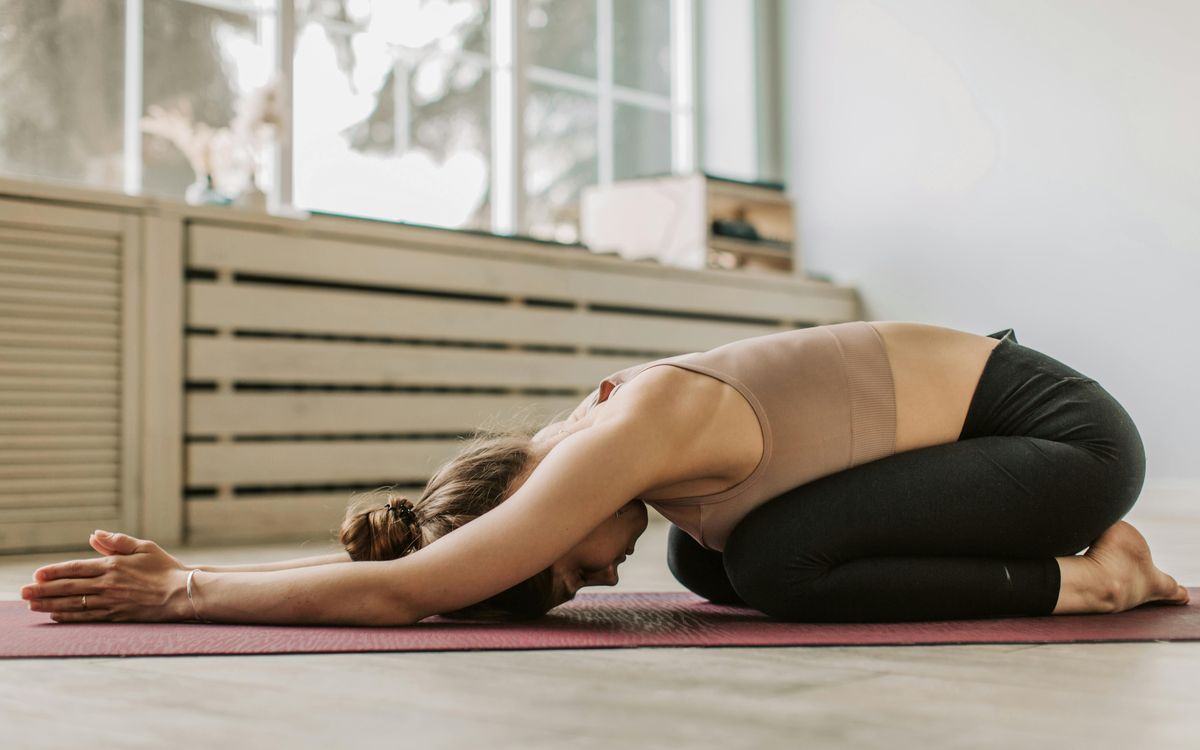
For survivors of sexual violence, reconnecting with one’s body can be fraught. Exercise can trigger flashbacks or panicky feelings, sometimes with no clear memories attached. This can be surprising, or destabilizing. Traumatic memories are stored in the body. Because of this, physical movement can be a powerful approach to healing after sexual harm. Mindful, intentional physical practices can be empowering. These practices can foster a sense of agency and purpose. However, if exercise does feel like a trigger for you, it can be helpful to work with a trauma-informed therapist who is familiar with somatic practices.
For some folks, running a marathon is a form of release, and for others gentle Tai Chi in a park is grounding. It may depend on the day what feels right for you. On some days cardio may feel right, other days a meditative walk is nurturing. Just as healing doesn’t occur on a timeline, there is no rulebook or metric anyone must meet to experience the benefits of mindful movement. Mindfulness-movement practices can be done in group settings, or on your own. Engaging in activity like trauma-informed yoga with a supportive group can feel liberating and mitigate feelings of loneliness.
There is no shortage of information available on nervous-system regulation. The SparksNotes version is this: the autonomic nervous system is designed for survival. As the root “auto” implies, it’s automatic. The automatic nervous system is composed of the sympathetic nervous system, also known as our “fight-or-flight” system and the parasympathetic nervous system, which controls “rest-and-digest”. When people talk about a nervous-system reset they typically mean allowing the body to shift from feelings of overwhelm associated with the sympathetic nervous through grounding practices. This might mean engaging in meditation, holding an ice cube, or gentle exercise. While a traumatic memory can trigger the activation of the sympathetic nervous system, once the body realizes it’s not in immediate danger through calming techniques, the parasympathetic nervous system can be activated.
Having the language to identify trauma’s effects on the body can be empowering. While feelings of panic may still arise, bodies are intuitive. Even as physical symptoms of trauma can feel overwhelming, your body is responding the best way it knows how. Mindfulness-based movement can allow you to gain a sense of your needs and natural rhythms.
Growing evidence supports the premise that movement improves mood and reduces trauma symptoms. A 2023 systemic review that examined 33 studies found that exercise promotes subjective wellbeing while reducing experiences of anxiety, depression, tension and PTSD. Exercise is positively associated with sleep quality. This is especially relevant for survivors of sexual violence as sleep can be negatively impacted after traumatic experiences.
Exercise is not a magic wand. Going at your own pace, noticing what’s coming up for you as you exercise, and honoring your unique needs is important. You know your body best. You know your needs and capacities best. Just because an exercise is popular, or trendy, doesn’t mean it will resonate with you. Having strong emotions as you exercise, while potentially distressing, is perfectly normal. Respecting your physical and emotional needs is courageous.
While I outline several ideas below, it is important to keep in mind that this list is not exhaustive. Some of these suggestions may resonate with you, and some may not. I’ve considered a range of somatic needs and comfort-levels, but at the end of the day it’s an eclectic list that I came up with. You know yourself best!
Trauma-informed yoga offers a unique path to healing. Trained yoga instructors offer a supportive space in which personal agency is centered. Rather than giving commands, instructors will offer invitations to try poses and encourage participants to reflect on their emotional experiences throughout the session. Modifications for poses are encouraged if needed. The pacing of the class is flexible and intentional with the goal being to meet folks where they’re at.
Tai Chi and Qigong are deliberate practices focused on integrating emotional experiences and physical movement through mindfulness. Tai Chi is described as meditation in movement. It is an intentional practice that centers the here-and-now with Taoist philosophical underpinnings. There is evidence that Tai Chi and Qigong can provide folks with trauma histories an opportunity for mind-body connection. Beyond this, Tai Chi can be financially accessible for folks as it is often practiced in outdoor spaces for free or for a low cost.
Dance/movement therapy (DMT) is the “psychotherapeutic use of dance, movement, body awareness, and embodied communication, to foster healing and wellness for all individuals, families, and communities.” (ADTA) DMT can be an empowering way for survivors to embrace their creativity. It can be a way to connect with others and feel supported through movement.
Trauma-informed aquatics are approaches to finding safety through swim. Swimming is considered a low-impact exercise, meaning it is gentle on one’s joints. This is significant for folks with specific mobility considerations. Trained teachers guide participants in supportive practices to feel safe and supported.
Nature-informed therapists are trained to provide psychotherapy in an office and in natural settings. Walking with a therapist in a safe, public park can be grounding and allow for in-the-moment processing. There is evidence that connection with nature can heal attachment wounds.
Considerations:
While movement therapy and mindfulness-movement practices can be empowering, it is important to check in with your needs before beginning something entirely new. Collaborating with your primary care physician can be a way to feel comfortable and safe. For folks with histories of eating disorders or disordered eating, incorporating movement into your life can be a conversation with your care team. For folks with chronic pain, practices that center exercise may not always be accessible. A trauma-informed movement instructor should honor what you need in the present moment. For folks with limited mobility, there are breathing exercises and modifications, like chair yoga, that can be incorporated into wellness practices.
You might not find a movement practice that resonates with you right away. Or you might like something for a time and then it no longer resonates the same way. That is ok! It is normal for interests to fluctuate. Trying something new can be celebratory. You get to go at your pace and honor your needs in the present moment.
There is no one way to incorporate mindfulness-based movement for healing into your life. Your specific needs, in any given moment, should be honored -- you don’t need to be an expert. You don’t need to exercise every day. You do not have to be good. Mindfulness-based movement practices can be creative, low-stakes, and built around community. You know what’s best for you. Noticing and honoring what you need in the moment is a gift to yourself.
Our Wave depends on your generous contributions for our continued success. Give today and support us as we work to support survivors of sexual harm and domestic violence.
Read stories Give todayUpdates, events, and ways to help out. Directly to your inbox.
MexicoOur Wave is a 501(c)(3) nonprofit organization and an anonymous service. For additional resources, visit the Our Wave Resources Hub. If this is an emergency, please contact your local emergency service.