Language and Healing in Japan: What Gets Lost in Translation
July 16, 2026
Join us in directly supporting survivors of sexual harm, domestic violence, and child abuse by giving a gift today. We depend on your generous contributions for our continued success. Every little bit helps ❤️
We depend on your generous contributions for our continued success. Every little bit helps ❤️

Language Barriers in Survivor Support: When No One Can Read Your Story
Volunteer
Give today
Language Barriers in Survivor Support: When No One Can Read Your Story
Volunteer
Give today
Language Barriers in Survivor Support: When No One Can Read Your Story
Press & Media
Give today
Made with in Raleigh, NC, USA
© Our Wave 2026. All rights reserved.
July 16, 2026
Show resources for
 Ireland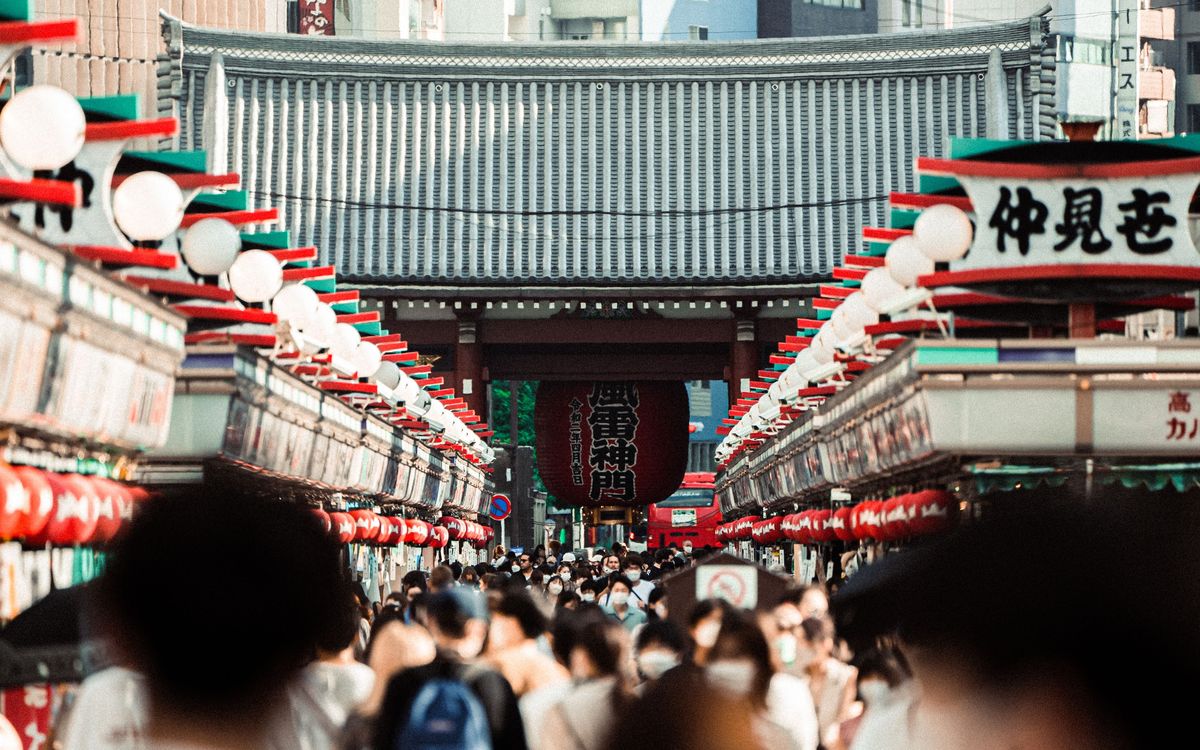
Every survivor deserves a path to healing, no matter where they live or what language they speak. That’s been part of Our Wave’s mission from the beginning. But trauma, consent, and healing don’t all mean the same thing across cultures. The gap between cultures, languages, and communities only gets more visible the more countries we serve.
Our Wave currently supports survivors across 79 countries, Japan among them, and this global reach has taught us an important lesson. Language and culture shape who feels safe enough to speak up and who ends up carrying their story alone.
This type of work and the importance of adapting our tools, platform, and resources to all the countries and languages we serve is a topic that leads us into the 2026 International Trauma Recovery Conference. We are proud to be co-hosting this event in Tokyo, Japan with the MiStory network, a 13-country consortium studying trauma recovery.
A survivor can only name what their language gives them the tools to name. If there’s no clean way to say “this happened to me and it wasn’t my fault,” a survivor could end up using terms that don’t quite fit their experience. They could also end up staying quiet and never speaking up about what happened.
Language shapes who feels safe enough to speak up and who gets believed. It also impacts who ends up carrying their story alone because they might not know the specific words to use. This is why we wanted to explore important terms in our field and how they translate (or don’t) across cultures, starting with Japan.
Ahead of the Trauma Recovery Conference in Japan, we asked Dr. Sachiko Kita, Director of Our Wave Japan, the Institute of Trauma Recovery, and MiStory, to help us not only translate but understand terms central to conversations our field is talking about.
Clear and explicit consent should come before any sexual activity. Japan didn’t explicitly define non-consensual acts as criminal offenses until a 2023 revision to the Penal Code. As a result, public awareness and understanding that clear consent is necessary before engaging in any sexual activity is only now beginning to grow.
A survivor can mean a lot of different things to different people. Generally, it is someone who has struggled through difficult circumstances and found the strength to keep moving forward despite immense challenges. In Japan, a country that experiences many natural disasters, the term “survivor” is widely associated with people who lived through earthquakes or other life threatening events. Applying this term to someone who survived trauma or abuse is still a newer idea and not widely recognized.
Trauma is the experience of perceiving that one’s sense of self-worth, safety, or dignity has been harmed. It is a subjective experience and no one else outside of the person who experienced it should decide whether it counts. In Japan, there is still limited understanding of this term. Some people view trauma as something that only affects a small group of people. Others toss the word around casually.
Dr. Sachiko Kita describes healing as the experience of feeling fully like yourself in the present moment – feeling fulfilled, at peace, and connected to who you are. In the busyness of everyday life, it may be a feeling that can only be accessed through conscious awareness and intention.
Sexual health includes more than just the physical health of reproductive organs. It also refers to the physical, mental, and social well-being tied to sexuality and reproductive rights. Sex education in Japan is limited and is focused primarily on biological aspects, like reproductive anatomy and functions. The broader idea of comprehensive sexual health is not yet widely understood.
This is a broad term covering forced or non-consensual sexual acts. However, in Japan, sexual assault is often only associated with rape. The wider spectrum of sexual violence doesn’t get the same recognition.
This is meant to be an umbrella term, covering education that protects people’s sexual, reproductive, physical, emotional, and social well-being and rights. In Japan, sex education has traditionally only focused on biology. Progress toward comprehensive sexual education has been slow, combined with discomfort around talking openly about sex and persistent social stigma.
Gender-based violence covers sexual violence, domestic violence, child abuse, and other forms of violence rooted in gender inequality. In Japan, this term is still not widely recognized or understood by the general public.
These terms don’t just shift in meaning from one culture to the next. They can also shift within a single culture, between what is an accepted definition and what a survivor actually feels. A term can be accurate for an entire society and still fail to capture what a survivor is living through.
“Although awareness and understanding have gradually improved in recent years, the normalization of sexual harassment and sexual violence remains deeply embedded in Japanese society. Japan's strong collectivist values can intensify survivors’ feelings of shame and isolation. Many survivors struggle with the belief that they have somehow become different from everyone else, leading to a profound sense of loneliness and disconnection.” – Dr. Sachiko Kita
To date, survivors in Japan have shared 17 stories and 10 questions on our community platform. While these numbers may not seem like a lot, Japan’s engagement rate sits at almost 55 percent, among the highest of any country on our platform.
This is the type of cross-cultural conversation the 2026 International Trauma Recovery Conference is built for. Our Wave is proud to support this conference, hosted in partnership with MiStory and Saya-Saya, alongside sponsor United States-Japan Foundation. The hybrid event takes place on July 20 in Tokyo, and you can join from anywhere through live Zoom access or an on-demand recording.
Healing should be accessible in every language, not just the ones that happen to already have the right words built in. Here are three ways you can join us in this work:
Register for our conference: Join the 2026 International Trauma Recovery Conference to hear more from advocates like Sachiko.
Follow along on our Instagram page: We’ll be featuring more voices from our global partner network in the coming months as we continue to explore how different cultures talk about consent, trauma, and healing.
Share your own language terms: If you’re a partner or survivor and would like to contribute how your culture talks about these different terms, reach out to our team. We’d love to hear from you.
Every term we add and every story we share is one more way for survivors to be understood in their own words. That’s how we build a platform where healing has no language or cultural barriers.
Our Wave depends on your generous contributions for our continued success. Give today and support us as we work to support survivors of sexual harm, domestic violence, and child abuse.
Read stories Give todayUpdates, events, and ways to help out. Directly to your inbox.
IrelandOur Wave is a 501(c)(3) nonprofit organization and an anonymous service. For additional resources, visit the Our Wave Resources Hub. If this is an emergency, please contact your local emergency service.







Join the survivors, advocates, and allies making change happen. Updates, events, and ways to help — right to your inbox.