
The Cost of Being Strong: What We Lose When We Can’t Say We’re Struggling with Kyle Linton
August 24, 2026
August 24, 2026
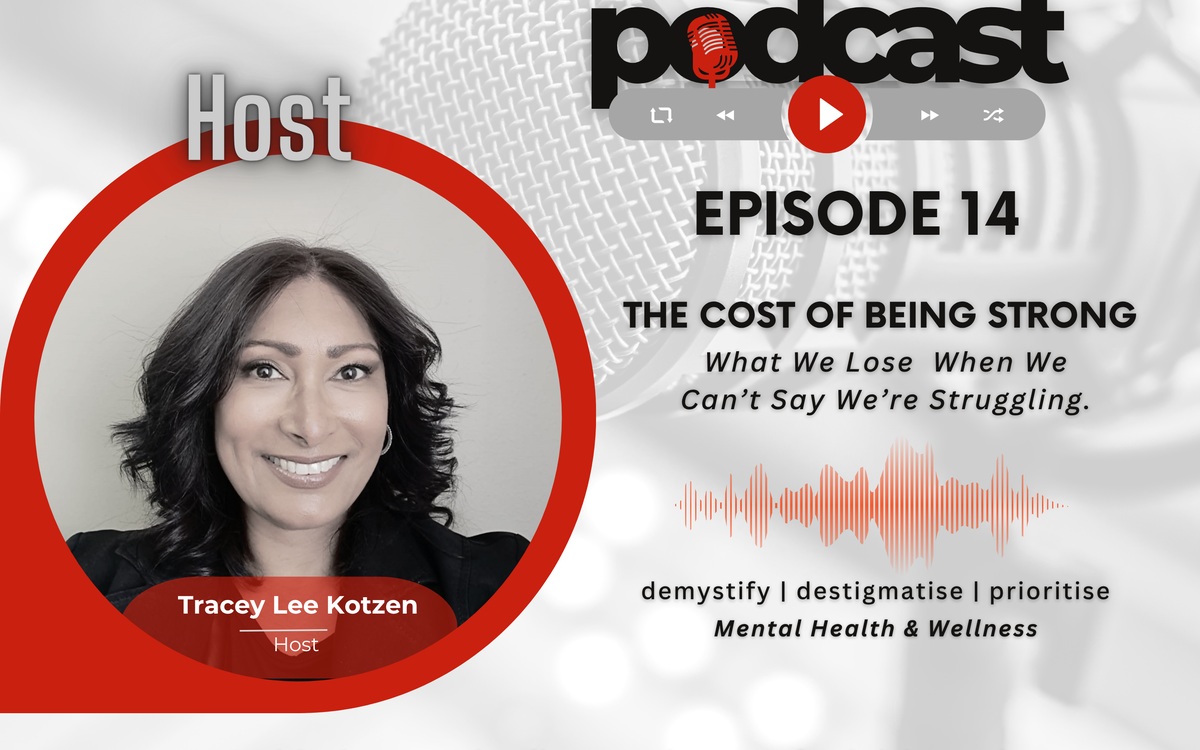
In August 2026, Tracey-Lee Kotzen welcomed Our Wave executive director Kyle Linton to Heal Your Mind with Tracey-Lee Kotzen, a South African podcast on mental health and wellness. Linton joined public health researcher Dr. Njabulo Banda and development communications specialist Mari Lee. Together they explored the cost of always being the strong one, and what survivors lose when they feel they cannot say they are struggling.
Linton explained that he came to this work from a background in technology and social impact. Along the way, he saw how many survivors suffer in silence and believe no one else has lived through something similar. With his co-founder, Brendan Michaelsen, he set out to build a place where survivors could share their stories anonymously and safely. There, they can also read the stories of others with similar experiences. Over time, Our Wave layered in research, education, expert answers to survivors' questions, and connections to support for long-term healing.
Kotzen asked how Our Wave decides which resources to offer. Linton described starting with crisis lines for urgent moments, then moving toward support that fits each person's experience. Examples include groups for adults who were harmed as children and groups for male survivors. Rather than handing someone a list of 50 options, the goal is to listen to what a survivor shares and offer the few resources most relevant to them. Kotzen noted how often this matters, since healing can feel like one more task when someone's nervous system is already overwhelmed.
The panel returned often to stigma, shame, and language. Dr. Banda described how cultural taboos in parts of South Africa keep harm hidden. Lee explained that shame grows in silence, while empathy and non-judgment help people speak up. Linton shared how Our Wave learned a term younger survivors were using on social media by noticing which stories readers found. He said Our Wave lets people describe their experiences in their own words, then gently offers language that can help them find aligned support.
In closing, each guest named something that gives them hope. Lee called for teaching everyone, not just professionals, how to listen without judgment. Dr. Banda asked for more stories of recovery and success. Linton said that, over the years, he has learned that "survivors are some of the strongest, most resilient people on the planet." He described how survivors who choose to help others, through peer support, research, or policy reform, light a path for those who come after them.
1:30 Kotzen introduces the guests and the episode's focus
2:07 Linton describes the gap that led to Our Wave
13:16 Lee on supporting the whole person at work
20:25 How Our Wave matches survivors with relevant resources
23:37 Kotzen on reducing the cognitive load of healing
27:17 Dr. Banda on stigma and silence in South Africa
33:18 Lee on shame, empathy, and breaking silence
37:57 Linton on language and meeting survivors where they are
50:45 Closing reflections on hope
55:14 Linton on the strength of survivors
Listen to the full episode on Heal Your Mind with Tracey-Lee Kotzen.
Our Wave depends on your generous contributions for our continued success. Give today and support us as we work to support survivors of sexual harm, domestic violence, and child abuse.
Read stories Give today