
At the Kitchen Table: Surviving with Dr. Laura Sinko
December 20, 2020
December 20, 2020
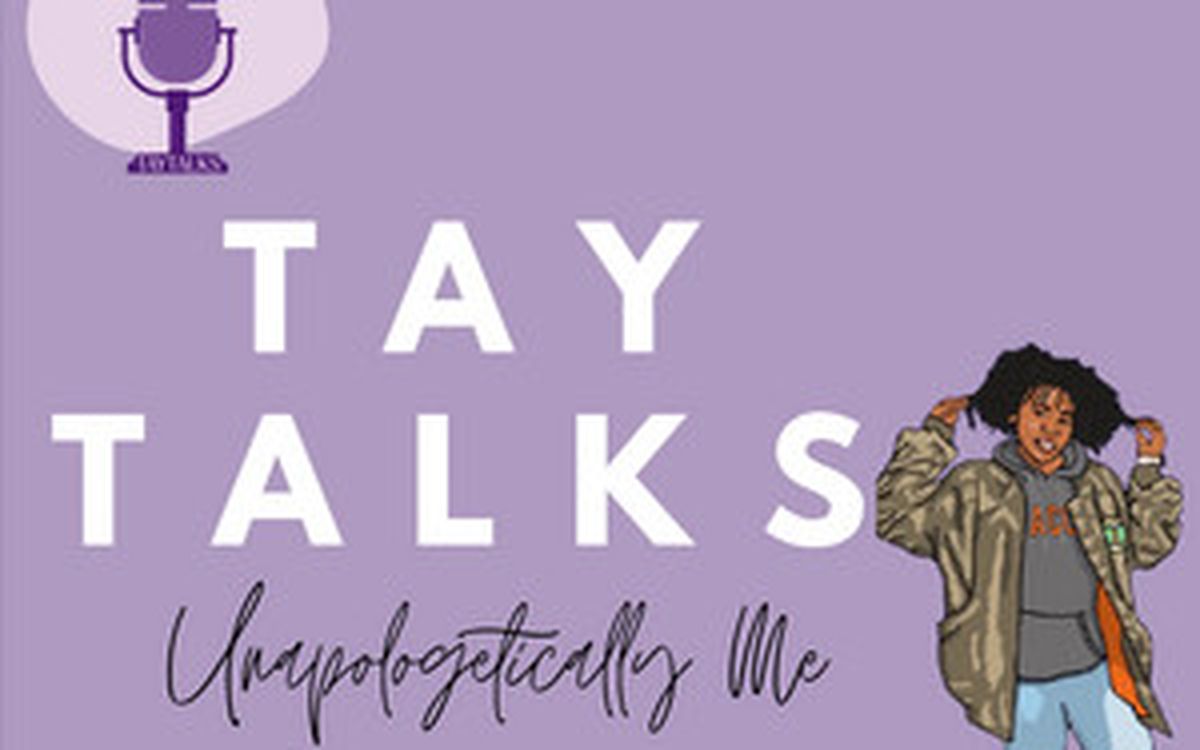
In December 2020, host Taylor invited Dr. Laura Sinko, then Our Wave's Director of Research and Evaluation, onto TayTalks: Unapologetically Me. The two held an open, kitchen-table conversation about surviving and healing after sexual violence. They talked about trauma responses, self-forgiveness, telling loved ones, and how friends can respond with care.
Dr. Sinko explained that she trained as a mental health nurse and noticed early on how uneasy many clinicians felt talking with survivors. That led her to a PhD focused on survivor healing and recovery. In her research, she met many survivors who wanted to share their stories but feared having their names tied to them online. She later met Our Wave's founders, Kyle Linton and Brendan Michaelsen, at a conference. They had already begun building an anonymous story-sharing space and were looking for experts to join them.
Dr. Sinko walked through terms that listeners had asked about, including consent, sexual coercion, gaslighting, and sexual harassment. She stressed that consent must be clear and freely given, and that pressure without physical force still counts as coercion. She then described common responses to trauma: fight, flight, freeze, and fawn. She explained that freezing is a natural reaction rather than a personal failing, and that memories of trauma are often fragmented. Her advice for anyone doubting themselves was simple: "You are the expert of your own experience."
Dr. Sinko shared the patterns she sees in her healing research. These include recognizing that what happened was wrong and not your fault, and reexamining self-blame with someone you trust. They also include reconnecting with what brings you joy and finding people who accept all of you. She described survivorship as an important part of a person, but never the whole of who they are. In the listener Q&A, she encouraged survivors to rebuild trust and set boundaries at their own pace. She added that they can share their stories in small pieces, on their own terms.
For friends and family, Dr. Sinko offered a simple framework. First, listen without interrupting. Then believe the person, and ask what they need from you. Finally, point them to resources such as RAINN or the National Sexual Violence Resource Center. As a sexual assault nurse examiner, she also explained that medical exams after an assault can support a survivor's health, whether or not they choose to report. She closed by reminding listeners that healing is hard work, but it is truly possible.
4:10 Dr. Sinko shares how she came to Our Wave
8:26 Defining consent, coercion, gaslighting, and harassment
22:13 Fight, flight, freeze, and fawn responses
29:18 Common threads in survivors' healing
41:00 Rebuilding trust and setting boundaries in relationships
47:55 Working through self-blame
57:21 Choosing when and how to tell loved ones
1:09:35 How to respond when someone discloses to you
1:15:32 What sexual assault nurse examiners offer
1:20:42 Closing thoughts on hope and healing
Listen to the full episode on TayTalks: Unapologetically Me.
Our Wave depends on your generous contributions for our continued success. Give today and support us as we work to support survivors of sexual harm, domestic violence, and child abuse.
Read stories Give today