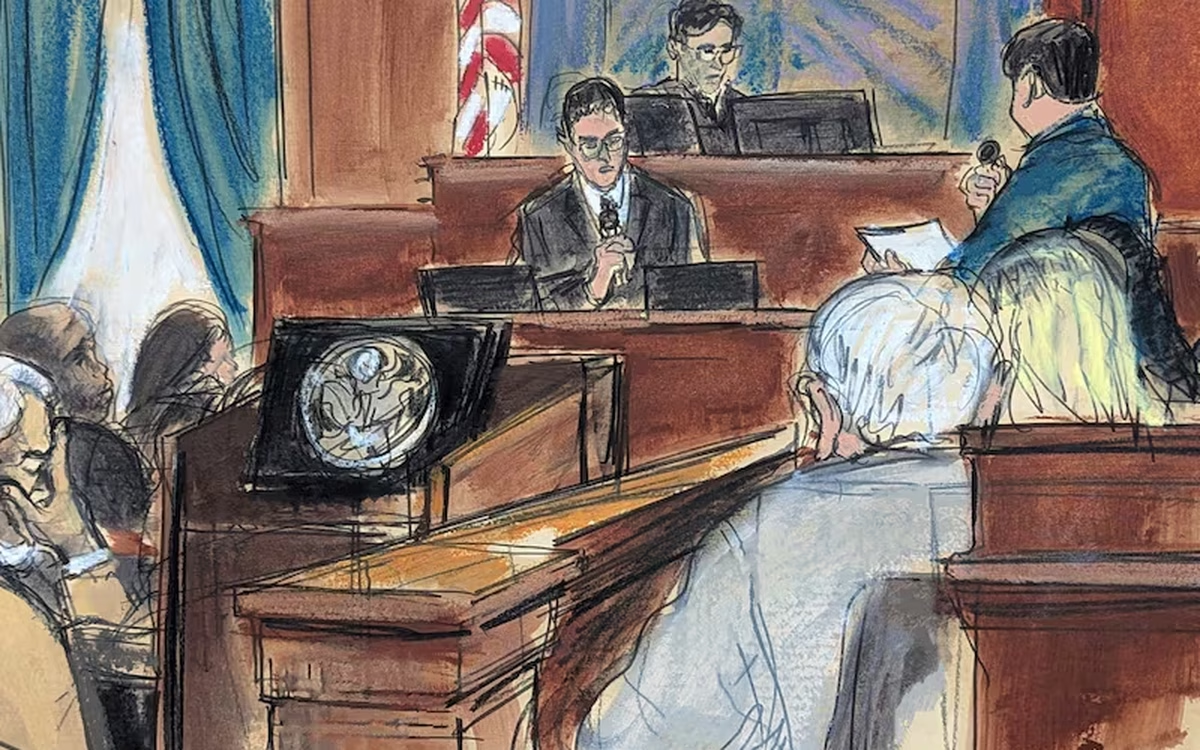

I’m a nurse who helps sexual assault survivors. Jane Doe’s texts from Cornell sound like what I hear in Philadelphia
October 2, 2026
October 2, 2026
In an October 2026 op-ed for The Philadelphia Inquirer, Dr. Laura Sinko draws on her work as a sexual assault nurse examiner, a researcher, and Our Wave's director of research and survivor support. She uses the Cornell University Jane Doe case as a lens on one of the most common questions survivors ask: whether what happened to them "counts."
Dr. Sinko explains that healing after sexual harm rarely begins with the word rape. Her research describes several pathways survivors move through, and two of the earliest are normalizing and minimizing. In the first, harm feels like just part of life. In the second, a survivor senses something was wrong but tells themselves it wasn't that serious. She argues that Jane Doe's early messages fit this pattern, and that our systems too often treat words spoken during these phases as the whole story.
Dr. Sinko notes that the same doubt shows up in the anonymous questions survivors send to Our Wave. In the op-ed, she reports that her team reviewed nearly 1,000 Q&A submissions for the language of doubt and found it in roughly one in four. She also points out that, for Jane Doe, a supportive stranger online was the first to name what happened. Connection, she writes, is often what helps survivors move forward.
Dr. Sinko argues that survivors are asked to decide whether to report at the very moment many are least able to. Instead, she calls on campuses to offer a range of choices that meet survivors where they are:
Anonymous support first, such as hotlines and online Q&A
Medical care and evidence collection, with the reporting decision saved for later
Confidential campus advocates who won't automatically open an investigation
Formal Title IX and criminal processes for those who are ready
Restorative options that hold the person who caused harm accountable
She highlights the restorative justice program at WOAR, Philadelphia's rape crisis center, which she notes has been threatened by funding cuts. "Healing isn't linear, and in my experience, naming isn't, either," Dr. Sinko writes. Her message to survivors who are still unsure is clear: your story matters, and healing is possible.
Read the full story in The Philadelphia Inquirer.

Our Wave depends on your generous contributions for our continued success. Give today and support us as we work to support survivors of sexual harm, domestic violence, and child abuse.
Read stories Give today