
When we talk about the allegations against Lizzo, we need to talk about power
August 15, 2023
August 15, 2023
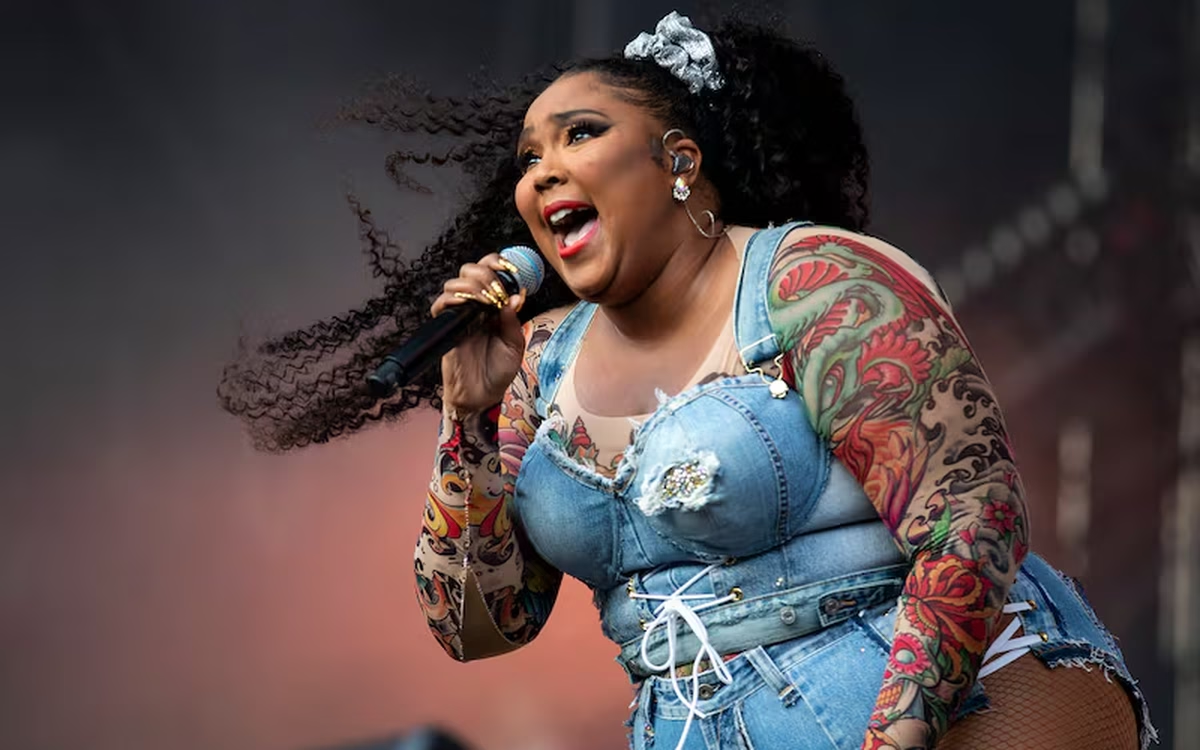
In an August 2023 op-ed for The Philadelphia Inquirer, Dr. Laura Sinko used a lawsuit filed against Lizzo by former dancers as a starting point for a larger conversation about power. Writing as a sexual violence researcher, restorative justice practitioner, and Our Wave's director of research and evaluation, she argues that harm in the entertainment industry is a systemic problem, not the story of one person. Lizzo has denied the allegations.
Dr. Sinko argues that poor working conditions are routine in the music industry and that accountability for sexual harassment is often missing. When people in power can make or break careers, those they harm face a painful choice between speaking up and protecting their livelihoods. She explains that sexual violence exists on a continuum. Behaviors treated as minor, such as unwanted touch, can become normalized as boundaries erode, which makes escalating harm harder to recognize.
Dr. Sinko also examines the role of the media. Sensational coverage, she writes, too often focuses on lurid details instead of the systems that allow harm to happen. Celebrity worship can shield entertainers from scrutiny and feed a sense that they are untouchable. She calls for responsible reporting that looks at root causes and the power dynamics behind them.
Instead of simply condemning individuals, Dr. Sinko urges leaders to address the structures that enable harm. She draws on her restorative justice work to describe how honest conversations about power can help both people who experience harm and people who cause it. She pairs this with a call for thoughtful prevention education on power-based violence. Together, she argues, these steps can create safer workplaces and a more just industry.
Read the full story in The Philadelphia Inquirer.
Our Wave depends on your generous contributions for our continued success. Give today and support us as we work to support survivors of sexual harm, domestic violence, and child abuse.
Read stories Give today