Webinar: Recognizing Symptoms of Sexual Trauma in Youth & How to Appropriately Respond
4月 23, 2020 • USA Gymnastics
4月 23, 2020 • USA Gymnastics
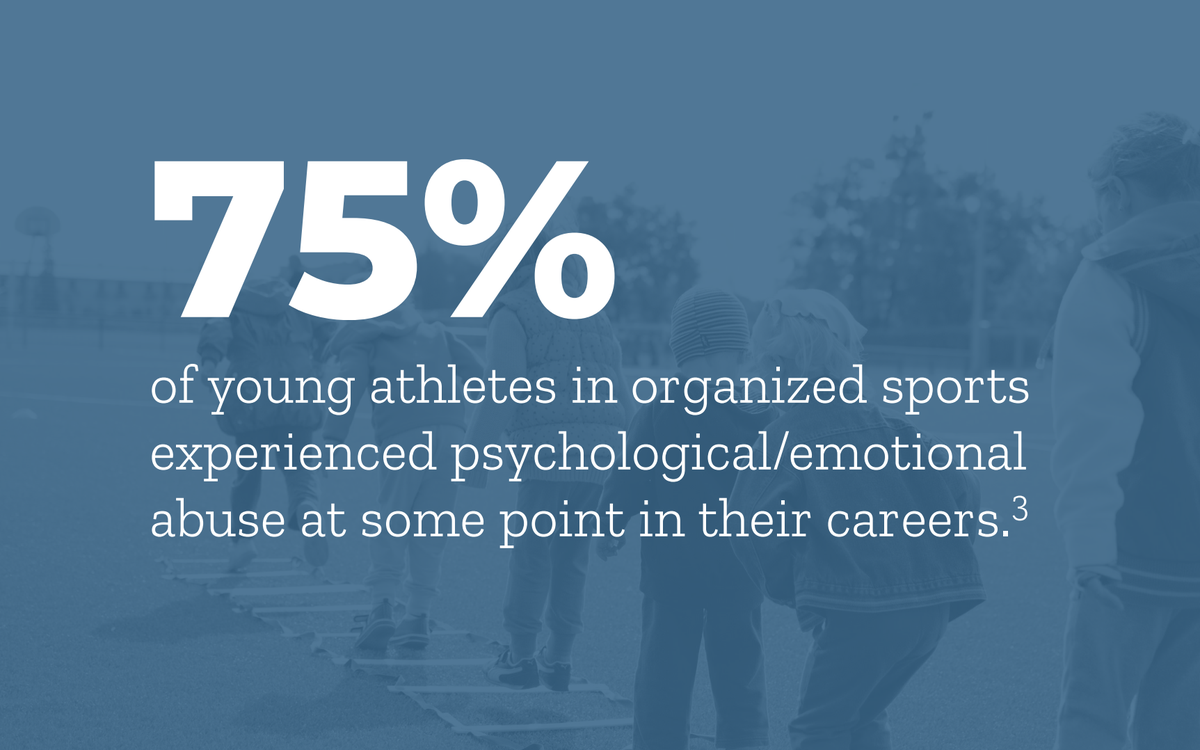
Children rarely say "I was abused." More often, the signs show up as changes in behavior that are easy to miss or misread. In this webinar for USA Gymnastics, recorded during Sexual Assault Awareness Month in April 2020, Our Wave's Dr. Laura Sinko and pediatrician Dr. Robin Ortiz walk parents, coaches, and caregivers through how to recognize sexual trauma in young athletes and how to respond in ways that support safety and healing. Our Wave co-founder Kyle Linton moderates.
The presenters adapt the Substance Abuse and Mental Health Services Administration (SAMHSA) trauma-informed approach into five steps for sport communities: realize, recognize, respond, resist re-traumatization, and reflect. The message throughout is that everyone, from teammates to gym owners, has a role in building a community of prevention.
Trauma is shaped by the event, how a person experiences it, and its effects, so two athletes can live through the same event very differently. Sport also has features that can make harm harder to see:
Team cultures where insults or inappropriate jokes start to feel normal
Parents' trust in coaches as experts, and physical contact that is a routine part of training
Long hours together, team loyalty, and relationships that build over many years
Higher-risk settings away from the gym, such as locker rooms, car rides, and overnight trips
Those same strong relationships can also become the foundation for prevention.
No single sign proves abuse. What matters most is a change from what is typical for that child. In sport, that can look like avoiding practice, frequent illness, losing interest, a sudden drop in performance, or wanting to quit. The presenters also explain grooming: building trust with a child and their community, then isolating the child and securing secrecy.
Signs often differ by age:
Young children: irritability, clinginess, re-enacting events in play, or losing milestones they had already reached
School-age children: new trouble at school or practice, withdrawal, tearfulness, unexplained stomachaches or headaches, and new fears at bedtime
Teens: shifts in how they talk about an event, defiance, exhaustion, nightmares, risk-taking, and pulling away from friends
Young people often confide in coaches and mentors before their parents. When a child discloses, the first response matters for their long-term healing:
Listen first and speak second. Let the child lead, accept silence, and thank them for telling you.
Believe them, and say clearly that it is not their fault.
Support them by asking how you can help and following up later.
Survivors respond to trauma in different ways. Some are visibly distressed. Others seem calm or even laugh, and those children are often the ones who aren't believed. Both responses are normal. You don't need to be a trauma professional, but you do need to be honest that you will report what you've heard. Where you can, give the child choices about everything else.
Report suspected abuse to the U.S. Center for SafeSport and your local authorities. If you aren't sure what to do, the RAINN National Sexual Assault Hotline is free and confidential for anyone, including people who just have a question. Above all, the strongest protection for any child is a supportive, healthy relationship with trusted adults. Caring for a child after a disclosure can also take a toll, so the session closes with a reminder to look after your own well-being, too.
5:37 Personal reflection on what trauma means
9:48 The five-step trauma-informed framework
11:07 Realize: trauma and risk in sport
18:27 Recognize: signs by age and grooming
28:25 Respond: how to receive a disclosure
37:27 Resist re-traumatization: reporting and resources
43:05 Reflect: secondary trauma and self-care