Webinar: Foundations of Trauma-Informed Research with Survivors - Part 1
9月 22, 2026 • Our Wave
9月 22, 2026 • Our Wave
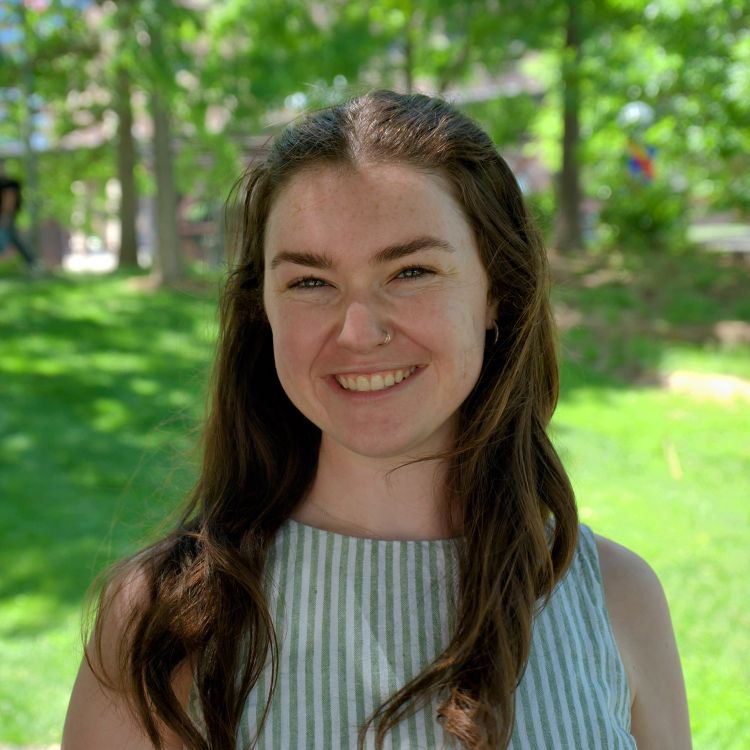
Research can change how survivors are supported, but only if it is done in a way that doesn't cause new harm. In the first of our two-part series, Our Wave Chief Research Officer Dr. Laura Sinko covers the building blocks of research and shows how to apply a survivor-centered, trauma-informed lens at every stage, from the first research question to sharing what you learned. The session is designed for healthcare teams, researchers, students, and community-based organizations, including those new to research.
This training series is supported by an engagement award from the Patient-Centered Outcomes Research Institute (PCORI).
A research study is a structured way to answer a specific question by collecting and analyzing information. The question should always drive the method:
Quantitative research uses numbers, scores, and statistics to measure patterns.
Qualitative research uses interviews, focus groups, open-ended questions, and arts-based methods like photo elicitation to understand experiences in people's own words.
Mixed methods weaves the two together so each strand informs the other. For example, survey findings can shape the questions asked in follow-up interviews.
Patient-centered research focuses on the questions, comparisons, and outcomes that matter most to the people who will use the findings. Dr. Sinko describes a shift from research on survivors, to research for survivors, to the gold standard: research with survivors. Engagement runs along a continuum, from informing and consulting to paid advisory boards, co-authorship, and shared leadership where survivors are written into grants.
Distrust of research institutions is often a reasonable response to past harm. Trust is built slowly by doing what you say you'll do. Harm can enter at any stage: deficit-focused framing, burdensome designs, pressured recruitment, unclear consent, retraumatizing data collection, or findings that are misused.
Dr. Sinko compares a trauma-informed approach to universal precautions in nursing: you don't need to know someone's history to treat everyone with care. Using the principles named by the Substance Abuse and Mental Health Services Administration (SAMHSA), she shows what each one looks like in practice:
Safety: a welcoming space, clear explanations of what happens next, breaks, and respect for the words participants use for their own experience
Trustworthiness and transparency: plain language, honesty about time, compensation, and reporting limits, and following through on promises
Empowerment, voice, and choice: small choices that restore control, the freedom to say no, and resilience-focused questions
Collaboration and mutuality: asking what people need to take part, such as childcare or transportation, and inviting feedback on findings
Peer support: peer researchers, warm handoffs, and resource lists as standard practice
Cultural, historical, and gender issues: naming your own lens, because the researcher is an instrument too
Before you start, ask whether the question matters to survivors, who helped shape it, and whether its value justifies the burden on participants. Organizations without a university can partner with an academic researcher, use an independent institutional review board (IRB), or budget for IRB costs in grants. Build a team that includes lived experience and the methods expertise you're missing. Plan supervision, debriefs, and support for secondary traumatic stress.
Be clear about who the study is for, the time involved, compensation, and activities, and test your wording with the community. For example, listening sessions with college students led one team to use the term "unwanted sexual experiences."
Protect privacy from first contact: neutral voicemails and email subject lines, and confirming identity on the phone.
When recruiting through community organizations, define staff roles, pay for their time, and make it clear that declining won't affect anyone's services.
Know the difference between confidential and anonymous. Consider a Certificate of Confidentiality, and explain mandatory reporting limits before anyone discloses.
Pay participants for their time, even if they stop early, and on a timeline you state up front.
Emotion isn't the same as distress, and distress isn't the same as a safety concern. Offer to continue, pause, skip, or stop, and follow up afterward. Researchers shouldn't do therapy, investigate, or make promises. Instead, they can offer a warm handoff to support.
Communicate clearly without changing what the data says, and frame findings so they can't be read as blaming survivors. Tailor results for survivors, clinicians, and policymakers, and let community partners review them before release. Effective channels range from journals and conferences to provider trainings, community events, and social media.
In the Q&A, Dr. Sinko shares how she stays present for participants: journaling after each interview, simple rituals to open and close the work, regular team debriefs, and her own mentorship and support. Researcher self-care is practical. It's also an ethical part of doing this work well.
4:12 Objectives and why research adds responsibility
7:29 Research fundamentals: quantitative, qualitative, and mixed methods
14:47 Patient-centered research and the engagement continuum
21:49 Historical harm and where harm happens in research
26:54 Trauma-informed principles
31:57 Putting the principles into practice
45:07 Study planning, IRBs, and building the team
51:34 Choosing data collection methods
56:38 Recruitment
1:02:03 Consent, confidentiality, and reporting
1:06:03 Method trade-offs and responding to distress
1:10:33 Privacy and compensation
1:14:21 Interpreting and sharing findings
1:20:20 Q&A: researcher self-care
Ready to go deeper? Continue with Part 2: Advanced Methods of Trauma-Informed Research with Survivors.