ショーン・コムズは彼のガールフレンドを虐待したことを認めました。そのため、彼の裁判の判決は性暴力の生存者にとってより痛ましいものとなります。
7月 7, 2025
7月 7, 2025
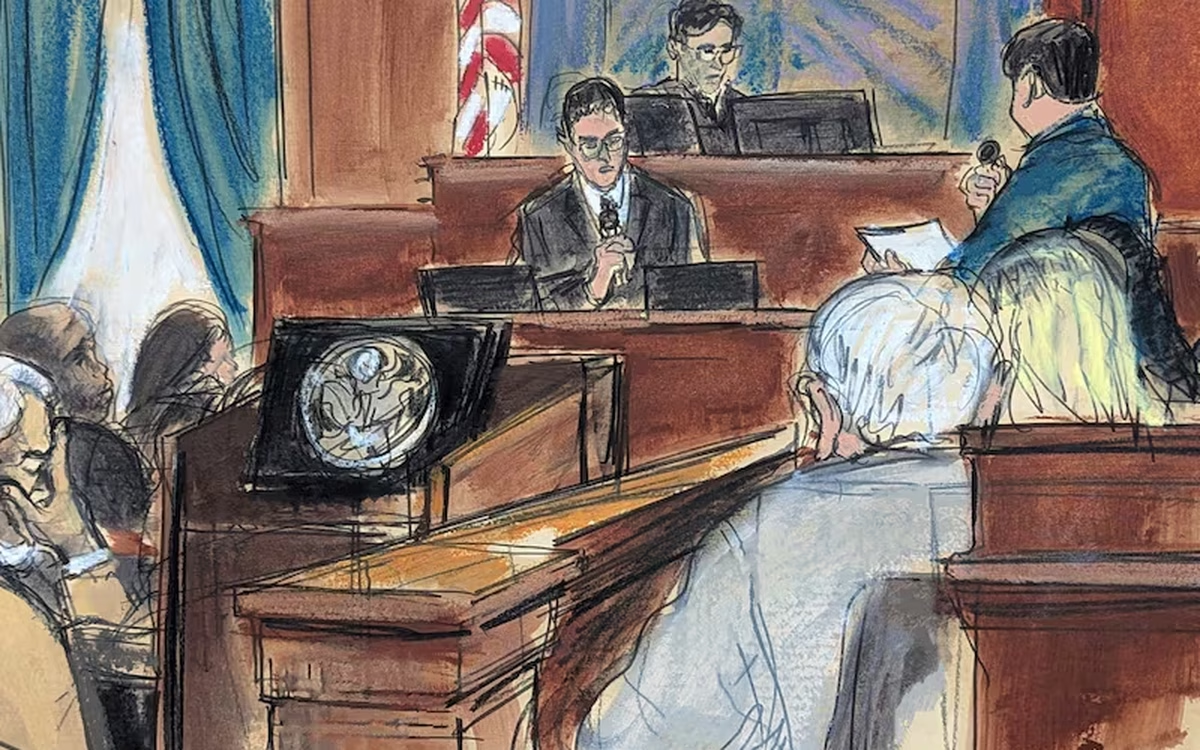
In July 2025, The Philadelphia Inquirer published an op-ed by Dr. Laura Sinko, an assistant professor of nursing at Temple University and Our Wave's director of research and survivor support. Writing days after the split verdict in Sean Combs' federal trial, Dr. Sinko examines what outcomes like this one communicate to survivors watching from home.
Dr. Sinko draws on her years as a sexual assault nurse examiner and trauma healing specialist. She has supported many survivors through dropped charges, cases that never reached trial, and juries that did not believe them. Many survivors she works with say institutional responses hurt them more deeply than the original harm. She argues that the Combs verdict showed this kind of betrayal on a national stage, calling it "a wound inflicted on every survivor watching."
Dr. Sinko argues that when a jury decides coercive experiences don't meet the most serious legal definitions, survivors may hear that what happened to them wasn't serious, either. She notes that the acquittal on the trafficking charges reinforces narrow myths about what exploitation looks like. Real coercion often happens alongside apparent choices, gradual erosion of boundaries, and confusion between survival and consent. Treating any moment of agency as proof that no harm occurred, she writes, leaves many survivors unseen.
Dr. Sinko also points to the imbalance between a wealthy defendant with top legal representation and survivors facing deep-rooted myths that cast doubt on their credibility. She warns that survivors watch high-profile cases closely, and some decide that staying silent feels safer than coming forward. In her view, every outcome like this one sends survivors back into hiding and makes future harm more likely. She closes by calling for a justice system able to see survivors' full humanity and respond to the full extent of the harm they experienced.
Read the full story in The Philadelphia Inquirer.